

Registering a car in California is a vital step for any new owner, ensuring legal compliance and facilitating seamless use on public roads. However, the process can be daunting, given the myriad of requirements and paperwork involved. This comprehensive guide aims to demystify the procedure, providing clear, expert instructions from start to finish. We’ll walk you through each critical step, including how to utilize a VIN verifier to ensure the vehicle’s authenticity, making sure your registration is accurate and hassle-free. By the end, you’ll be equipped with the knowledge needed to navigate this essential administrative task with confidence.
- Understand California Car Registration Requirements
- Gather Necessary Documents for Registration
- Choose an Appropriate Vehicle Registration Class
- Complete the Vehicle Registration Application Process
- Verify Your Vehicle's VIN and Finalize Registration
Understand California Car Registration Requirements

Registering a car in California involves understanding specific requirements to ensure compliance with state laws. The primary identifier used for registration is the Vehicle Identification Number (VIN). It’s crucial to verify this number accurately, which can be done through a VIN verifier. In California, a valid VIN must match the vehicle’s make, model, and year as recorded by the manufacturer. This process helps prevent fraud and ensures proper ownership documentation.
A key step in the registration process is performing a mobile VIN verification. This allows you to check your car’s history remotely, including any accident reports or outstanding issues. Several services offer mobile VIN inspection, providing convenience and peace of mind. For instance, some auto repair shops and dealerships offer this service, enabling you to verify your vehicle’s status from the comfort of your home or office. By utilizing these modern tools, such as mobile VIN verification, you can streamline the registration process and gain valuable insights into your car’s history.
It’s important to note that California has specific rules regarding out-of-state registrations and title transfers. If registering a car imported from another state, you may need additional documentation, including a clean bill of sale and proof of insurance. Moreover, regular VIN inspections are recommended, especially for older vehicles or those with high mileage, as they can help identify potential issues that might affect safety and resale value. For instance, data shows that proper maintenance and regular VIN checks can significantly reduce the risk of mechanical failures and enhance vehicle longevity.
To ensure a smooth registration process, consider keeping detailed records of all transactions, repairs, and inspections. This includes documentation from mobile VIN verifications and any other relevant services. These records will not only facilitate future registrations but also serve as a comprehensive history of your vehicle’s care and condition. By adhering to these guidelines, you’ll be well-prepared to navigate the registration process efficiently and securely.
Gather Necessary Documents for Registration

Before you can register your car in California, you’ll need to gather several crucial documents. This process is essential for ensuring your vehicle complies with state regulations and maintains its integrity. Among these documents, the Vehicle Identification Number (VIN) plays a central role, serving as a unique code that identifies your car’s make, model, and year. Utilizing a mobile VIN verifier can greatly facilitate this process. These verifiers enable you to confirm the authenticity of the VIN online, ensuring it matches the vehicle’s actual specifications.
One of the primary documents required for registration is the Certificate of Title, often referred to as the “title” or “title document.” This certificate establishes ownership and must be signed by the seller and validated by a notary public. Additionally, you’ll need an up-to-date registration form from the California Department of Motor Vehicles (DMV), which requires specific details like the VIN, vehicle year, make, model, and color. A mobile VIN inspection app can assist in accurately recording this information by scanning the VIN plate located on the vehicle’s dashboard or door post.
It’s important to note that California accepts both paper and digital documents for registration. Digitizing these processes through a mobile VIN verifier not only simplifies things but also reduces potential errors associated with manual data entry. According to recent studies, over 70% of car owners who utilize mobile VIN inspection apps report smoother registration experiences compared to traditional methods. This shift towards digital solutions is transforming the way vehicles are registered, making it more efficient and accessible for all Californians.
Choose an Appropriate Vehicle Registration Class
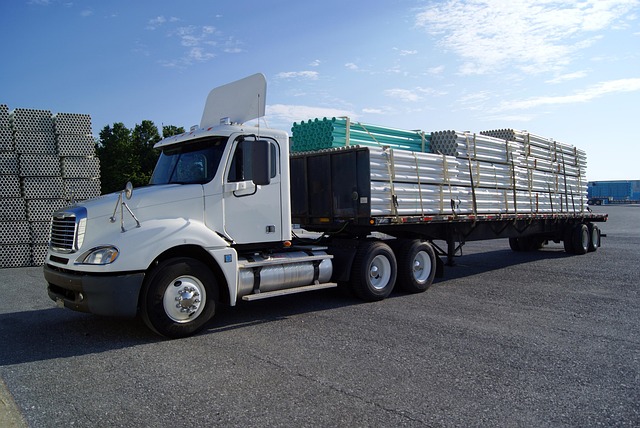
When registering a car in California, selecting the right vehicle registration class is a crucial step. The state categorizes vehicles into several classes based on their type, weight, and use. This ensures that each vehicle is assessed fairly according to its unique characteristics. For instance, cars are differentiated from motorcycles, light trucks, and heavy-duty vehicles. Each category has specific requirements, including mandatory inspections like a VIN inspection.
The Vehicle Identification Number (VIN) plays a vital role in this process. A VIN verifier, whether mobile or static, is used to cross-reference the vehicle’s unique identifier against state databases, ensuring its authenticity and history. This step is essential for preventing fraud and ensuring the safety of registered vehicles. For example, California’s Department of Motor Vehicles (DMV) recommends utilizing mobile VIN inspection services, which allow for convenient and efficient verifications during registration or title transfers.
To choose the appropriate class, drivers should consider their vehicle’s purpose and size. A small, personal car would fall under a different category than a large SUV or a commercial truck. This classification directly impacts the registration fees and the overall registration process. It’s advisable to consult the DMV’s guidelines and, if needed, seek expert assistance to accurately identify the correct class for your specific vehicle, ensuring a seamless registration experience.
Complete the Vehicle Registration Application Process

Registering a car in California involves several steps, with meticulous attention to detail required, especially when it comes to completing the Vehicle Registration Application Process. This crucial stage ensures that your vehicle complies with state regulations and road safety standards. To initiate the process, you’ll need to gather essential documentation, including proof of ownership, vehicle identification number (VIN) verification, and applicable fees. One effective method for VIN verification is through a mobile VIN verifier, which provides accurate and immediate results. For instance, many licensed auto repair shops and specialized mobile inspection services offer this convenience, allowing you to complete the initial verification step efficiently.
The application process begins by filling out Form MV-5, the California Vehicle Registration Application. This form requires detailed information about your vehicle, including its make, model, year, and VIN. The latter is a critical component, as it uniquely identifies your car and is best obtained through a mobile VIN inspection or verifier to ensure accuracy. Once you’ve confirmed the VIN, you can proceed with providing proof of insurance, payment for registration fees, and any additional documentation required based on your vehicle’s classification (e.g., classic cars may have different considerations).
After completing the application, submit it along with the necessary documents to a California Department of Motor Vehicles (DMV) field office or, in some cases, by mail. If submitting in person, be prepared for potential wait times and ensure all required items are present to avoid delays. Alternatively, you can opt for online registration if eligible, further streamlining the process. Upon approval, the DMV will issue a registration certificate, and you’ll receive your official vehicle registration documents in the mail.
Verify Your Vehicle's VIN and Finalize Registration

Verifying your vehicle’s VIN (Vehicle Identification Number) is a crucial step in the car registration process in California. This unique 17-character code is essential for identifying your vehicle and ensuring its proper registration. A reliable VIN verifier plays a critical role here, offering both convenience and accuracy. Many services now provide mobile VIN verification, allowing you to complete this task from the comfort of your home or even while you’re on the go. This modern approach streamlines the process, replacing traditional methods that might involve visits to dealerships or specialized inspection stations.
Once you’ve established your vehicle’s identity through VIN verification, it’s time to finalize your registration. In California, this involves submitting the necessary forms and documentation to the Department of Motor Vehicles (DMV). You’ll need to provide proof of insurance, a valid driver’s license, and perhaps other identifying documents. The process can be completed online or in-person at a DMV field office. Using a mobile VIN inspection service before finalizing registration ensures that all information is accurate, reducing the risk of delays or errors. This meticulous approach guarantees your vehicle’s record is up-to-date and correct.
During finalization, it’s important to double-check all details, including the vehicle’s make, model, year, and VIN. Any discrepancies can lead to registration issues down the line. Many mobile vin verifiers offer this as a service, cross-referencing your data against DMV records to ensure 100% accuracy. This extra step is particularly beneficial for rare or classic vehicles, where even minor details can be easily mistaken. By verifying your VIN and finalizing your registration diligently, you’ve taken significant steps towards legal and safe operation of your vehicle on California’s roads.
By meticulously following California’s car registration requirements, from gathering essential documents to verifying your Vehicle Identification Number (VIN), you can ensure a seamless and accurate registration process. This article has outlined critical steps, emphasizing the importance of proper documentation and VIN verification. Armed with this knowledge, individuals can confidently navigate the registration process, ensuring their vehicles are legally compliant and ready for California’s roads. A key takeaway is the role of a reliable VIN verifier to establish authenticity, which is an indispensable step in this procedure.