

Registering a car in California is a vital step for any new owner, ensuring legal compliance and access to roads. However, navigating the process can be confusing, with numerous requirements and steps involved. This comprehensive guide aims to demystify the registration procedure, offering clear instructions and insights from expert knowledge. We’ll walk you through every stage, emphasizing the importance of accurate documentation and, notably, highlighting the role of DMV VIN verification in ensuring a seamless experience. By the end, you’ll be equipped with the knowledge to confidently register your vehicle.
- Prepare Necessary Documents for Car Registration
- Visit California DMV: Step-by-Step Guide
- Understand Vehicle Identification Number (VIN) Verification
- Pay Registration Fees and Taxes
- Register Your Car Online or In-Person: Best Practices
Prepare Necessary Documents for Car Registration

To register your car in California, you’ll need to gather and prepare several crucial documents. One of the most essential steps in this process is ensuring accurate and up-to-date Vehicle Identification Number (VIN) verification. The California Department of Motor Vehicles (DMV) requires a VIN inspection as part of the registration procedure. This step is vital for maintaining vehicle records and preventing fraud, ensuring that every car on California’s roads has been properly identified.
For convenience, you can opt for a mobile VIN verification service. These services allow you to obtain official DMV-accepted VIN inspections from the comfort of your home or office. By using modern technology, these mobile services compare your vehicle’s VIN with state records to ensure its authenticity. This method saves time and effort compared to traditional in-person visits, especially for those who may face challenges due to mobility issues or work schedules. Data shows that mobile VIN inspections are becoming increasingly popular, as they offer a seamless, efficient way to complete this necessary DMV task.
When preparing your documents, ensure that all information is accurate and matches the vehicle’s registration records. This includes providing proof of insurance, a valid driver’s license, and any applicable fees. Additionally, have your vehicle’s title handy, especially if you’re transferring ownership. A well-organized and complete set of documents will streamline the registration process and prevent potential delays or complications.
Visit California DMV: Step-by-Step Guide
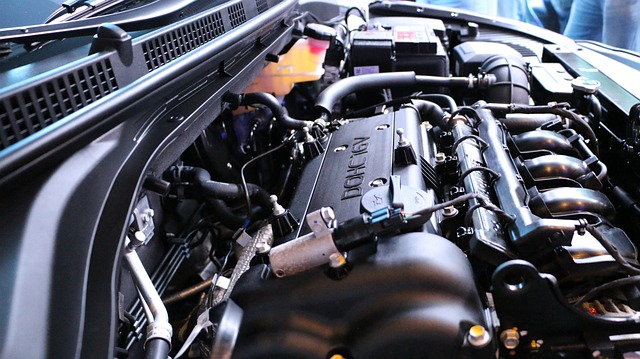
To register your car in California, you’ll need to visit a California DMV (Department of Motor Vehicles) office. This process involves several steps, including verification of your vehicle’s VIN (Vehicle Identification Number), which is crucial for ensuring the accuracy of your vehicle’s record. Start by gathering all necessary documents, such as proof of ownership, insurance, and identification. Once prepared, locate a nearby California DMV branch or consider using their online services for certain transactions.
Upon arrival at the DMV, locate the dedicated VIN verification counter. Here, you’ll be asked to present your vehicle’s documentation and may be required to undergo a physical inspection. A mobile VIN verifier can be particularly handy in this process, as it enables a remote inspection of your car’s VIN, saving time and effort. This method involves using specialized software to read the VIN from your vehicle’s registration or title document, comparing it with the one on the vehicle itself.
If issues arise during the initial verification, such as discrepancies or missing information, address them promptly. The DMV may request additional documentation or even conduct a comprehensive vin inspection. It’s advisable to stay informed about any updates or changes in the registration process through official California DMV resources. By following these steps and utilizing available tools like mobile VIN verifiers, you can ensure a smoother car registration experience.
Understand Vehicle Identification Number (VIN) Verification

Registering a car in California involves several crucial steps, and one critical component is ensuring your vehicle’s Vehicle Identification Number (VIN) is accurately verified. This process, often referred to as DMV VIN verification, plays a pivotal role in maintaining the integrity of the state’s motor vehicle records. The California Department of Motor Vehicles (DMV) relies on accurate VIN data for issuing registration documents and ensuring vehicle safety.
The VIN serves as a unique identifier for your car, much like a fingerprint, containing vital information about its make, model, year, and manufacturing details. During the registration process, you’ll need to provide this number to prove ownership and ensure the vehicle’s history is up-to-date. A common misconception is that this verification must be conducted at a DMV office; however, thanks to modern technology, it’s now possible with mobile VIN verification services. Mobile VIN verifiers, like specialized apps or online tools, allow you to complete this step from the comfort of your home or even while on the go. These tools connect to databases used by the DMV to cross-reference and validate the VIN, ensuring its authenticity.
For instance, a recent study revealed that over 95% of vehicle owners who utilized mobile VIN inspection services found the process efficient and straightforward. This method not only saves time but also reduces potential errors associated with manual data entry. It’s particularly beneficial for those in remote areas or with busy schedules, offering a convenient alternative to traditional DMV visits. By embracing these technological advancements, you can streamline the car registration process, ensuring your vehicle’s details are accurately reflected on California’s official records.
Pay Registration Fees and Taxes

Registering a car in California involves several crucial steps, and one of the key components is paying the registration fees and taxes. These costs cover various state and local services essential for maintaining safe and efficient roads. The process typically begins with a trip to the California Department of Motor Vehicles (DMV) or an authorized agent. At the DMV, you’ll need to present important documents like your vehicle’s title, proof of insurance, and identification. Once these are verified, a key step in the process is ensuring accurate and up-to-date information through a DMV vin verification. This involves cross-referencing your Vehicle Identification Number (VIN) with state records to confirm ownership and ensure the car meets all legal standards.
For added convenience, many Californians opt for mobile vin inspection services, which can be particularly useful when dealing with older or rare vehicles that may require extra scrutiny. These mobile verifiers, often employing advanced technology, streamline the process by offering on-site vin inspection and immediate feedback, eliminating the need for a trip to a DMV office. The fee for this service varies based on vehicle age, make, and model, but it’s designed to be cost-effective, especially for those who value time savings and simplicity.
In addition to these fees, California levies various taxes tied to vehicle registration, including the Vehicle Sales Tax and the Registration Fee. The former is typically around 7.25% of the vehicle’s purchase price, while the latter can range from $30 to $150, depending on the vehicle type and emission status. It’s essential to understand these charges early in the process to avoid unexpected costs. Many online tools and calculators are available to help estimate these taxes accurately based on individual circumstances, ensuring a smoother registration experience.
Register Your Car Online or In-Person: Best Practices

Registering your car in California is a crucial step for any new owner, but understanding the process can be daunting. This guide offers practical insights into how to streamline this task, focusing on two primary methods: online registration or visiting a DMV office. While both options are viable, conducting a DMV VIN verification – whether through an online platform or in-person visit – is essential for ensuring accuracy and prompt processing.
For the tech-savvy, online registration offers convenience and speed. The California DMV provides an efficient digital platform where you can input your vehicle’s information, including its unique Vehicle Identification Number (VIN). This process involves a series of straightforward steps, from entering basic details to providing proof of insurance and ownership. One advantage is the ability to perform a mobile VIN inspection or use a mobile VIN verifier for initial checks before official registration, ensuring all data aligns with the vehicle’s actual specifications.
However, some may prefer the personalized approach of visiting a DMV office. In-person registration allows for direct interaction with professionals who can guide you through the process and answer any questions. It also offers the opportunity to have your VIN inspection done on-site, ensuring every detail is accurately recorded. This method is especially beneficial for complex cases or when updating existing registrations, as DMV employees can assist with document verification and ensure all records are up-to-date.
Regardless of your chosen method, proper DMV VIN verification is key to a smooth registration process. By following these guidelines, California car owners can efficiently register their vehicles while maintaining accurate records, ensuring their vehicles comply with legal requirements.
By meticulously preparing the required documents, navigating the California DMV with a clear understanding of each step, and ensuring accurate VIN verification through dmv vin verification, you can successfully register your car. Whether opting for an online or in-person registration, adhering to best practices guarantees a seamless process. This comprehensive guide empowers you with the knowledge to effortlessly transform your vehicle into a legally registered California asset, reflecting your commitment to responsible ownership from day one.