

Registering a car in California is more than just a bureaucratic task; it’s a vital step to ensure your vehicle’s legal status and your personal safety on the roads. However, navigating the process can be challenging, given the complex regulations and paperwork involved. This comprehensive guide aims to demystify the car registration procedure, offering expert insights tailored specifically for California residents. We’ll delve into every step, emphasizing the crucial role of Vehicle Identification Number (VIN) verification in ensuring accuracy and legitimacy throughout the process.
- Prepare Required Documents for Car Registration
- Locate Your Vehicle's VIN (Vehicle Identification Number)
- Research California Car Registration Fees and Requirements
- Submit Application and Forms to the DMV (Department of Motor Vehicles)
- Verify and Complete Your Car Registration Process with VIN Verification
Prepare Required Documents for Car Registration

Before you can register your car in California, it’s crucial to gather and prepare all the necessary documents for a seamless process. One of the most critical steps is ensuring accurate Vehicle Identification Number (VIN) verification. This step involves obtaining a valid mobile VIN inspection or using a specialized service for remote VIN verification. In California, the Department of Motor Vehicles (DMV) requires this unique identifier to be confirmed as authentic and matches the vehicle’s make, model, and year.
For example, if you’re registering an out-of-state vehicle, you’ll need to obtain a mobile VIN inspection from a certified inspector. This process involves them physically inspecting your car and recording the VIN details, ensuring it aligns with the DMV’s records. Alternatively, some services offer remote or online VIN verification, where you provide your VIN through digital means, although these may have specific requirements and limitations. It’s essential to choose methods that are approved by the DMV to avoid any delays or issues during registration.
Additionally, prepare other critical documents such as proof of ownership (title), valid insurance, and identification. These documents must be presented in-person at a local DMV office for inspection. While many forms can be completed online prior to your visit, ensuring your VIN verification is correct before heading to the DMV will significantly contribute to a smooth registration process. Always check the latest requirements on the official California DMV website or contact them directly for guidance tailored to your specific situation.
Locate Your Vehicle's VIN (Vehicle Identification Number)
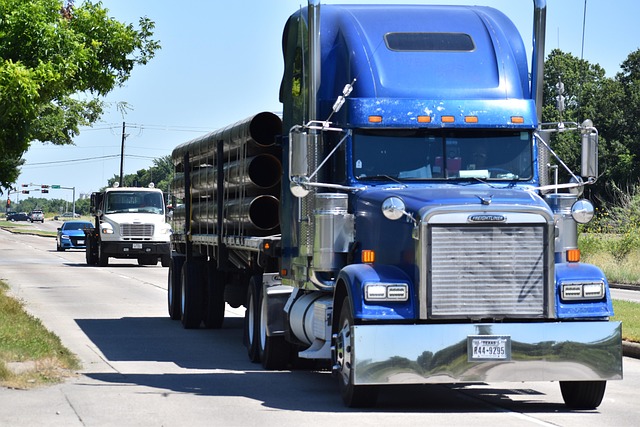
Locating your vehicle’s Vehicle Identification Number (VIN) is a crucial step in the car registration process in California. This unique 17-character code serves as a fingerprint for your car, providing vital information about its make, model, year, and manufacturing details. It’s essential to ensure accurate VIN verification for a seamless registration experience. One effective method is to conduct a mobile VIN inspection or verification using specialized apps or services that can cross-check the VIN against reliable databases.
When preparing for car registration in California, many vehicle owners opt for a mobile VIN inspection service. These services send a professional to your location, whether it’s your home or a parking lot, to perform a thorough check of your car’s VIN. This is particularly beneficial for those who may not have access to a DMV office or prefer the convenience of having the process done on their schedule. During the inspection, the expert will physically examine the vehicle identification number etched into various components of your car, ensuring its authenticity and accuracy.
For instance, in California, where vehicle registration is a stringent process, having a mobile VIN verification service can save valuable time and avoid potential delays or issues during submission. It’s recommended to choose reputable services that employ trained professionals who understand the importance of precise VIN inspection. With their expertise, you’ll gain peace of mind knowing that your car’s registration documents will be based on accurate VIN data, streamlining the overall process.
Research California Car Registration Fees and Requirements

Before diving into the registration process, it’s crucial to understand the fee structure and requirements specific to California. The Golden State has stringent regulations regarding vehicle registration, and knowledge of these intricacies can save you time and money. Fees vary based on several factors, including the type of vehicle, its age, and whether you’re registering a new or used car. For instance, as of the latest updates, the base fee for registering a private vehicle in California stands at $52. However, this cost can escalate with additional charges like vehicle inspection fees, which range from $30 to $80, depending on your location and the type of inspection required.
A key aspect of the registration process is the Vehicle Identification Number (VIN) verification. This step ensures the authenticity of your vehicle’s details and is crucial for completing the paperwork. In California, a VIN inspection can be conducted at designated stations or even through mobile vin verification services. The latter offers convenience by allowing inspections to be done at your location, saving you a trip to an official center. This method has gained popularity due to its efficiency, especially in urban areas with heavy traffic and limited time.
It’s important to note that the California Department of Motor Vehicles (DMV) maintains specific guidelines for VIN verification, which are designed to prevent fraud and ensure the accuracy of vehicle records. Adhering to these guidelines is not just a legal requirement but also facilitates a smoother registration process. For example, if your car is over 10 years old, it might require additional documentation and an emissions test during the VIN inspection process. Staying informed about these requirements ensures that you’re prepared with all necessary documents when visiting a DMV office or utilizing mobile vin verification services.
Submit Application and Forms to the DMV (Department of Motor Vehicles)

After gathering your required documents and completing the preliminary steps to register a car in California, it’s time to submit your application and forms to the Department of Motor Vehicles (DMV). This crucial phase involves ensuring that all paperwork is accurate and complete, which includes the Vehicle Identification Number (VIN) verification process. The DMV conducts this VIN inspection to ensure the vehicle’s authenticity and ownership history, a step that has become increasingly digital in recent years.
Submitting your application can be done online or in-person at any DMV field office. Online submission requires you to input detailed vehicle information, including the VIN number, which will then be cross-referenced with their database. This process is streamlined and efficient for both customers and DMV employees. Alternatively, if you opt for an in-person visit, a mobile VIN verifier or inspector can perform the verification right on the spot using advanced scanning technology, saving you time and effort.
During the inspection, the VIN inspection service will cross-reference your vehicle’s unique 17-character VIN with various databases to confirm its history. This includes checking for any outstanding recalls, previous accidents, or title issues. It’s important to provide accurate information throughout this process to avoid delays. In California, it’s not uncommon for mobile VIN verifiers to be utilized due to the state’s high vehicle turnover rate and traffic congestion, making the inspection process quicker and more convenient for residents.
Verify and Complete Your Car Registration Process with VIN Verification

Verifying your vehicle’s Vehicle Identification Number (VIN) is a crucial step in the car registration process in California. This critical procedure ensures that your vehicle meets all legal requirements before it can be officially registered and hit the roads. VIN verification acts as a safety net, confirming the authenticity of your car’s identification details, which are essential for tracking ownership history, ensuring safety standards, and preventing fraud.
In California, this process is typically completed during the registration application at the Department of Motor Vehicles (DMV). Here, an authorized DMV agent will cross-reference the provided VIN with their records to verify that the vehicle matches the information on file. This inspection ensures compliance with state regulations, including environmental and safety standards. If discrepancies are found, the DMV may request additional documentation or even conduct a physical inspection of the vehicle.
To streamline this process, many Californians opt for a mobile VIN verifier. These services utilize advanced technology to perform a digital VIN inspection, providing instant results that can be submitted directly to the DMV. This modern approach saves time and effort compared to traditional methods, especially for those with busy schedules or limited mobility. By leveraging mobile vin verification tools, you can conveniently complete your car registration process without compromising on accuracy or efficiency.
By meticulously preparing required documents, locating your vehicle’s VIN (Vehicle Identification Number), researching California’s specific registration fees and requirements, submitting your application and forms to the DMV, and finally completing the process with successful VIN verification, you’ve taken significant steps toward registering your car in California. This comprehensive guide ensures you’re equipped with the knowledge to navigate the process smoothly, leveraging California’s regulations to ensure a legally compliant and efficient registration. VIN verification stands as a critical final step, underscoring the article’s importance in empowering you to manage this vital task with confidence and accuracy.