

Registering a car in California is a crucial step for any new owner, ensuring legal compliance and protection. However, navigating the process can be a challenge, especially with stringent requirements like DMV VIN verification. Understanding these steps is essential to avoid delays and potential penalties. This article serves as your comprehensive guide, equipping you with the knowledge to seamlessly register your vehicle in California, leaving no room for error. We’ll break down each step, emphasizing the importance of accurate documentation and proper procedures, ensuring a smooth experience.
- Gather Necessary Documents for Car Registration
- Prepare Your Vehicle for DMV Inspection (including VIN Verification)
- Visit a California DMV Office or Use Online Services
- Complete the Car Registration Application Accurately
- Pay Registration Fees and Receive Your Plate and Documents
Gather Necessary Documents for Car Registration

Registering a car in California involves a systematic process, and one of the critical initial steps is gathering the necessary documents for a smooth registration experience. Among these, the Vehicle Identification Number (VIN) verification stands out as a crucial aspect, ensuring both vehicle authenticity and compliance with state regulations. The California Department of Motor Vehicles (DMV) prioritizes VIN inspection as part of its standard car registration procedure, underscoring its importance in preventing fraud and ensuring safety.
For instance, when conducting a mobile VIN inspection, you might use specialized tools to cross-reference the vehicle’s unique VIN with official databases, allowing for immediate validation of the car’s history, including any accidents or outstanding issues. This process is readily accessible through various means, such as trusted mobile vin verifier apps that simplify the verification process. By employing these technologies, individuals can efficiently navigate the initial registration hurdles, saving time and ensuring their vehicles meet all legal requirements.
Moreover, besides a valid VIN, other essential documents include proof of ownership (such as a title or bill of sale), insurance information, and current registration from another state if applicable. These papers collectively demonstrate your legitimate claim to the vehicle, enabling a seamless registration process with the DMV. It’s advisable to check the specific requirements on the DMV website or consult their representatives for any updates or additional documents needed, ensuring you’re fully prepared before initiating the car registration journey in California.
Prepare Your Vehicle for DMV Inspection (including VIN Verification)
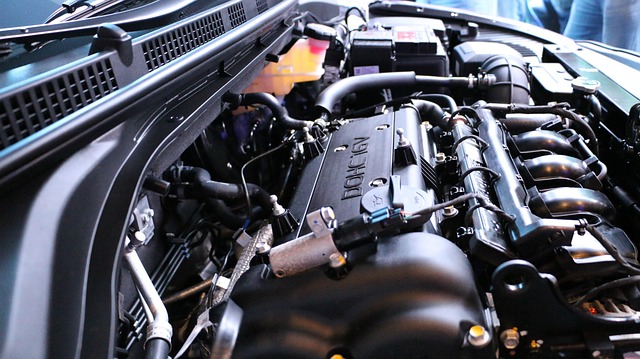
Before you can register your car in California, your vehicle must pass a thorough inspection by the Department of Motor Vehicles (DMV). This process includes a critical step known as DMV vin verification, ensuring that your car meets all safety and emissions standards. The verification involves a detailed examination of your vehicle’s unique Vehicle Identification Number (VIN), which acts as its fingerprint, providing crucial information about its history and specifications.
For many California residents, the traditional in-person visit to the DMV can be time-consuming and inconvenient. This is where mobile vin inspection services come into play, offering a convenient alternative. Mobile vin verifiers provide on-site, immediate results, eliminating the need for lengthy waits and multiple trips. These services utilize advanced technology to perform a comprehensive check of your VIN, ensuring accuracy and saving you precious time. For instance, some companies employ specialized scanners that capture and transmit data directly to the DMV, streamlining the verification process.
During the mobile vin verification process, a professional inspector will access your vehicle’s information using their portable device or scanner. They’ll cross-reference the provided VIN with the manufacturer’s records, checking for any outstanding recalls, accident history, or title issues. This real-time data ensures that your car is safe to drive and meets California’s registration requirements. It’s a smart step to choose a reputable mobile vin service, as they can guide you through any discrepancies or potential red flags before registering, ensuring a smooth process.
Visit a California DMV Office or Use Online Services

Registering a car in California involves several steps, and one of the crucial initial actions is choosing between visiting a DMV office or utilizing online services. The California Department of Motor Vehicles (DMV) offers these options to cater to different preferences and circumstances. While many tasks can be completed online, including some vehicle registrations, there are still benefits to visiting a physical DMV location for certain processes, notably when it comes to VIN verification.
For instance, when transferring ownership or registering a new car, you may need to undergo a DVW (Vehicle Identification Number) inspection, which ensures the vehicle’s authenticity and condition. A mobile VIN verifier or inspector can also facilitate this process, providing on-site inspections that align with DMV standards. This approach is particularly beneficial for those in remote areas or with busy schedules, as it saves time and effort. Data from recent studies indicates that online registrations have surged, partly due to the convenience of digital services, but some processes still require physical interactions for accurate DVW verification.
If you opt to visit a DMV office, be prepared with essential documents such as proof of identification, vehicle title, and insurance papers. Alternatively, utilizing the department’s online platform allows you to initiate or complete certain registration tasks from the comfort of your home. However, remember that not all services are available online, and for comprehensive assistance, including VIN verification, a direct visit may be necessary. Ensure you confirm the specific requirements before proceeding, as this will streamline the registration process and prevent any potential delays.
Complete the Car Registration Application Accurately

Registering a car in California involves several crucial steps, and one of the key aspects is ensuring your Car Registration Application (CRA) is complete and accurate. The California Department of Motor Vehicles (DMV) takes vehicle registration seriously, emphasizing the importance of an accurate Vehicle Identification Number (VIN) to facilitate efficient and secure processing. This step is vital because an incorrect or incomplete VIN can delay or even prevent the registration of your vehicle.
When completing the CRA, pay meticulous attention to the VIN section. The VIN is a unique 17-character identifier for your car, and it’s crucial for tracking vehicle history and ensuring safety standards. Always refer to the label located on the vehicle’s front and/or rear end or consult the owner’s manual for the correct VIN. If you’re using a mobile vin verifier, ensure the data matches across multiple sources for confirmation. This verification process is especially important in California, where the DMV conducts random VIN inspections to combat fraud and ensure compliance.
A common mistake is transposing numbers or entering an incorrect VIN due to misreading. To avoid this, double-check each digit against your records and consider using a mobile vin verification tool for real-time cross-referencing. For example, utilizing a mobile app can help you quickly compare the VIN with state records, ensuring its validity and accuracy. This proactive approach not only saves time but also reduces the risk of delays or rejection during the registration process. Remember, an accurate VIN is fundamental to a smooth car registration experience in California.
Pay Registration Fees and Receive Your Plate and Documents

After completing your vehicle’s inspection and ensuring it meets all California safety standards, the next step in the registration process is to pay the required fees and receive your license plate and associated documents. This crucial phase involves several key steps that must be executed accurately to avoid delays or issues down the line.
The first order of business is to calculate and settle the registration fee, which typically includes a base cost plus additional charges based on factors like vehicle type and emissions standards met. The California Department of Motor Vehicles (DMV) provides clear guidelines on these fees, accessible through their website or local field offices. Online payment options are available, streamlining the process for many residents. Alternatively, you can opt to pay in person at a DMV office, where knowledgeable staff can guide you through the procedure and ensure accurate fee assessment.
Upon successful fee payment, the DMV will facilitate the issuance of your license plate and other necessary documents. For convenience, many Californians choose to register their vehicles using mobile vin verifier services that conduct a DMV VIN verification and handle all paperwork remotely. These services are efficient, often saving time and effort compared to traditional methods. Once your plate and documents arrive, it’s essential to review them for accuracy and keep these materials secure, as they’re needed for future vehicle transactions and proof of ownership.
Registering a car in California involves a straightforward process that requires careful preparation. Key insights include gathering essential documents for car registration, ensuring your vehicle passes DMV inspection, including successful dmv vin verification, completing application forms accurately, and paying relevant fees. By following these steps and paying close attention to details during the DMV VIN verification process, you can efficiently navigate the registration procedure. This article equips readers with the knowledge needed to successfully register their vehicles in California, ensuring a smooth transition from preparation to receipt of registration documents and license plates.