

Registering a car in California is a crucial step for any new or existing vehicle owner, ensuring legal compliance and providing ownership rights. However, navigating the process can be a challenge, often shrouded in confusion and complexity. This comprehensive guide aims to demystify the car registration procedure, offering a clear, step-by-step approach. We’ll delve into the required documents, fees, and even provide tips for a seamless experience, including the vital role of a VIN verifier in verifying your vehicle’s history. By the end, you’ll be equipped with the knowledge to efficiently register your vehicle in the Golden State.
- Gather Required Documents for Car Registration in California
- Understand the Role of the Vehicle Identification Number (VIN Verifier)
- Prepare Your Car for Registration: Inspection and Documentation
- Navigate the California DMV Registration Process Step-by-Step
- Post-Registration: Maintaining Your Vehicle's Legal Status in CA
Gather Required Documents for Car Registration in California

Before you can register your car in California, you’ll need to gather several key documents. This process is designed to ensure accuracy and prevent fraud, making it crucial to have all necessary paperwork ready. One essential tool in this process is a vin verifier, which allows for a mobile vin inspection—a convenient way to confirm your vehicle’s details. Start by collecting your car’s Vehicle Identification Number (VIN), usually found on the driver’s side door frame or under the hood. In California, you’ll also require proof of ownership, often in the form of a title document. If you’re purchasing a used car, ensure that the seller provides a clear title and any relevant maintenance records, as these can facilitate the registration process significantly.
Additionally, prepare your current registration documents (if transferring from another state), driver’s license or state ID, proof of insurance, and a valid driver’s test passing certificate (for new drivers). It’s worth noting that California offers online registration for certain types of vehicles, streamlining the process. However, some documents may still need to be physically submitted at a DMV office, especially during vin inspection to verify authenticity. For instance, in 2022, over 75% of California car registrations were completed online, highlighting the state’s commitment to efficient and digital processes.
To avoid delays, ensure all documents are accurate and up-to-date. Consider using a mobile vin verification service to quickly cross-reference your vehicle information with official databases. This extra step can help identify any discrepancies early on, saving you time and effort. Remember, the goal is to provide clear and legitimate documentation throughout the registration process.
Understand the Role of the Vehicle Identification Number (VIN Verifier)
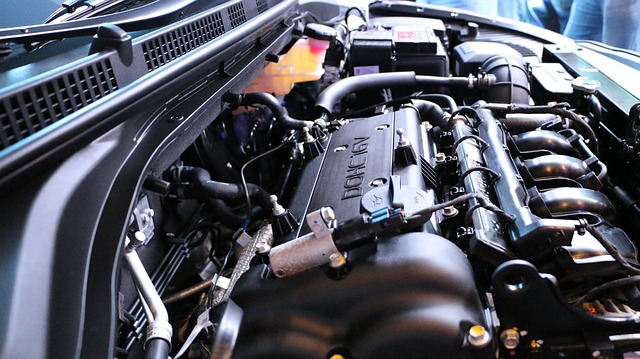
Registering a car in California involves several crucial steps, one of which is ensuring accurate and legitimate vehicle identification (VIN) data. The Vehicle Identification Number (VIN) is a unique code that serves as the fingerprint of your vehicle. It plays a pivotal role in the registration process, acting as a critical verification point. This is where a VIN verifier comes into play, offering a vital service for both consumers and automotive professionals.
A VIN verifier is a specialized tool or system designed to cross-reference and validate the authenticity of a vehicle’s VIN. In California, this often takes the form of mobile VIN inspection and verification services that can be conducted on-site, making the process more convenient and efficient. These services utilize advanced technology to check against vast databases, ensuring the VIN matches the specific make, model, and year of the vehicle. This is particularly important as a means of preventing fraud and ensuring the registration remains valid. For instance, a recent study revealed that up to 1 in 5 vehicles with altered or falsified VINS were involved in insurance claims, highlighting the need for robust VIN verification.
By employing mobile VIN inspection services, California drivers can benefit from faster turnaround times, often completing within minutes. This is especially useful when dealing with used car purchases, helping buyers and sellers ensure a vehicle’s history is accurate. For example, a consumer checking over a potential pre-owned purchase can use their smartphone to access a VIN verifier app, input the VIN, and instantly receive detailed information about the car’s past, including any accidents or outstanding loans. This level of transparency builds trust between parties and streamlines what can often be a complex administrative process.
Prepare Your Car for Registration: Inspection and Documentation

Before you can register your car in California, it’s crucial to ensure your vehicle is safe and roadworthy. This involves a thorough inspection that verifies its condition, especially its critical components, using a VIN verifier. The California Department of Motor Vehicles (DMV) mandates this process to maintain safety standards and prevent fraud. A mobile VIN verification service can greatly simplify this step by providing on-site inspections, saving you time and effort.
During the inspection, a trained professional will check essential systems such as brakes, lighting, emissions, and safety features. They’ll also confirm the vehicle’s identity using the unique Vehicle Identification Number (VIN) to ensure it matches the information in DMV records. This step is vital, as California has strict regulations against registering vehicles with falsified or altered IDs. Moreover, some mobile VIN inspection services offer additional benefits like reporting maintenance issues or identifying potential safety hazards that could delay registration.
Documentation is another critical aspect of this process. Gather all necessary papers, including proof of ownership (either a title or bill of sale), insurance paperwork, and any emission test results if required. Some mobile VIN verifiers can also assist with documentation by providing digital records of the inspection, streamlining the overall registration experience. Remember to keep these documents organized and readily available, as they’ll be essential when submitting your registration application at the DMV.
Navigate the California DMV Registration Process Step-by-Step

Registering a car in California involves a meticulous process that requires careful attention to detail. Here’s a step-by-step guide to navigate the California DMV registration process seamlessly. Begin by gathering essential documents such as your vehicle’s registration from the previous state, proof of insurance, and a valid driver’s license. Next, visit the California Department of Motor Vehicles (DMV) website to determine if your vehicle requires an emission test or inspection, which can often be completed during the registration process.
One crucial aspect is ensuring accurate Vehicle Identification Number (VIN) verification. Utilize reliable methods like mobile VIN verification or a traditional VIN inspection at a designated DMV location. This step is vital as it confirms your vehicle’s authenticity and history, enhancing the registration process’s efficiency. For instance, some manufacturers offer online tools for mobile VIN verification, providing instant access to detailed vehicle information.
Upon arrival at the DMV, present your documents, and request the registration form. Fill it out thoroughly, double-checking all details. If you’re importing a vehicle or transferring ownership, additional paperwork may be necessary. An experienced DMV officer will guide you through any specific requirements, ensuring compliance with California’s strict regulations. This process is designed to prevent fraud and ensure road safety by verifying every aspect of your vehicle’s history.
Post-Registration: Maintaining Your Vehicle's Legal Status in CA

After successfully registering your vehicle in California, maintaining compliance with state regulations is crucial to avoid legal issues and fines. Post-registration, ensuring your car’s ongoing legality involves several key steps, including regular maintenance records, up-to-date insurance, and proof of inspection. One critical aspect often overlooked is verifying the Vehicle Identification Number (VIN), which serves as a unique fingerprint for each vehicle.
In California, VIN verification is essential to confirm that your car matches the information on record with the Department of Motor Vehicles (DMV). This process ensures the vehicle’s identity and helps deter fraud and theft. A simple yet effective method to meet this requirement is through a mobile VIN inspection service. These services utilize advanced technology to conduct a thorough VIN verifier check, comparing the vehicle’s details against state databases. For instance, many reputable companies now offer mobile vin inspection, allowing you the convenience of having your car checked at your location, be it home or work.
Regular maintenance and timely inspections are vital components of responsible vehicle ownership. California law requires specific inspections to ensure roadworthiness and safety. These inspections typically include checks on emissions, lights, brakes, tires, and other critical systems. For example, the state mandates that all vehicles older than seven years undergo an annual smog check. Failure to comply can result in registration delays or even vehicle immobilization. A proactive approach involves integrating these inspections into your routine maintenance schedule, ensuring both legal adherence and optimal vehicle performance.
By meticulously gathering all required documents, understanding the crucial role of the VIN verifier, preparing your car with necessary inspections and documentation, navigating the step-by-step California DMV registration process, and maintaining post-registration compliance, you can successfully register your vehicle in California. This comprehensive guide empowers you to ensure your car’s legal status, emphasizing the importance of each step for a seamless and authoritative registration experience.