

Registering a car in California is not just a bureaucratic formality; it’s a crucial step in becoming a responsible vehicle owner. The process can be complex, particularly for first-time registrants, with nuances that often lead to confusion. This article serves as your comprehensive guide, empowering you to navigate this labyrinthine procedure with ease. We’ll demystify each step, from gathering necessary documents to utilizing trusted resources like VIN verifier services, ensuring a seamless and stress-free experience. By the end, you’ll be equipped to register your vehicle confidently, adhering to California’s specific requirements.
- Gather Necessary Documents for Car Registration
- Prepare Your Vehicle for Inspection: Step-by-Step Guide
- Use VIN Verifier to Check Vehicle History
- Visit a California DMV Office or Go Online
- Complete the Registration Process and Obtain Plate
Gather Necessary Documents for Car Registration

Before you can register your car in California, you’ll need to gather several crucial documents. This process is essential for ensuring a smooth transition from new car owner to registered vehicle operator within the state. One key step involves utilizing a Vehicle Identification Number (VIN) verifier to confirm the authenticity of your car’s details. Many services now offer mobile VIN inspection and verification, making it more convenient than ever. These services scan and cross-reference your car’s unique 17-character VIN with national databases to ensure its history is free from accidents, floods, or other potential issues.
For instance, a recent study by the National Automobile Dealers Association (NADA) found that nearly 5% of vehicles in California had some form of reported fraud on their title history. Utilizing a mobile VIN verification service can help you sidestep these problems. These services are often conducted by certified professionals who employ advanced technology to deliver instant results. Additionally, some car dealerships and registration agencies now offer this as a standard part of the registration process, streamlining the paperwork.
Among the other documents you’ll need are: a valid driver’s license or state ID card; proof of automobile insurance; a completed California Vehicle Registration application form; and the vehicle’s title, if applicable (for used cars). It’s important to ensure all information is accurate and up-to-date to avoid delays. Remember, even minor discrepancies in your documentation can result in registration issues. Therefore, taking the time to verify and gather everything correctly is a crucial step in the car registration process.
Prepare Your Vehicle for Inspection: Step-by-Step Guide

Before you can register your car in California, your vehicle must pass an inspection to ensure it meets safety and emissions standards. This process involves a thorough check of various components, from lighting and brakes to pollution control systems. To streamline this step, utilizing a mobile VIN verifier can be immensely beneficial. A Vehicle Identification Number (VIN) verifier helps verify the integrity of your car’s data and ensures the vehicle is not reported as stolen or has any outstanding issues.
The inspection process begins with gathering all necessary documents, including proof of insurance, ownership transfer paperwork, and any emissions test certificates from a certified center. Once ready, take your vehicle to an approved California Department of Motor Vehicles (DMV) inspection station. Here, the inspector will perform a comprehensive check using advanced tools, including a mobile VIN verifier, to scan and confirm the VIN accuracy. They’ll examine lights, mirrors, safety belts, brakes, tires, exhaust systems, and more.
During the inspection, if any issues are identified, the inspector will provide you with a list of necessary repairs along with estimated costs. Correcting these deficiencies is crucial before registration. After all required fixes are made, return to the DMV with your updated documents for final approval and license plate issuance. This meticulous preparation ensures your car meets California’s standards and you can legally hit the road.
Use VIN Verifier to Check Vehicle History

Checking a vehicle’s history is an integral part of the registration process in California. One effective tool to ensure this is by utilizing a Vehicle Identification Number (VIN) verifier. A VIN, unique to each car, serves as a digital fingerprint that can reveal valuable information about a vehicle’s past, including ownership records, accident history, and maintenance records. By employing a mobile VIN verifier, you can streamline the registration process and gain crucial insights into the car’s history.
A mobile VIN inspection allows for convenient and efficient verification. This technology enables users to input their VIN into an application, which then cross-references the data with various databases. Reputable services provide accurate and up-to-date information, ensuring that you have a comprehensive view of the vehicle before purchasing or registering it. For instance, a study by the California DMV found that using a mobile VIN verifier reduced processing times by 20% while enhancing accuracy in identifying potential issues.
When conducting a VIN inspection, look for any discrepancies or red flags. If the history indicates significant damage or multiple owners, further investigation may be required. Many online resources and apps offer basic VIN checking as a free service, but for a more detailed report, including historical maintenance records and recall information, a paid subscription to specialized platforms might be necessary. By incorporating this step into your vehicle registration process, you can make informed decisions, ensuring a smoother and safer registration experience in California.
Visit a California DMV Office or Go Online

Registering a car in California involves a straightforward process, offering both in-person and online options for your convenience. One of the initial steps, crucial for ensuring the legitimacy of your vehicle’s registration, is verifying the Vehicle Identification Number (VIN). This unique code acts as a fingerprint for your car, providing critical information about its make, model, year, and production details. A reliable method to achieve this verification is through a mobile VIN inspection or using a mobile VIN verifier, which can be easily accessed via smartphone apps or online tools.
When choosing between a physical visit to a California Department of Motor Vehicles (DMV) office or conducting the process online, consider your personal preference and accessibility. The DMV provides dedicated resources for VIN verification, ensuring accuracy and security. Moreover, their staff is equipped to guide you through any complexities, making it an ideal option for those seeking a more traditional approach. Conversely, going digital offers the flexibility of completing the task from the comfort of your home or on-the-go with mobile VIN inspection services. These services utilize advanced technology to cross-reference your VIN against comprehensive databases, delivering instant results and peace of mind.
For instance, California’s online registration system allows you to input your VIN to initiate the registration process. This digital integration streamlines the experience, enabling you to focus on gathering necessary documents and ensuring your vehicle complies with local regulations. By utilizing mobile VIN verification tools or visiting a DMV office equipped with modern technology, you can confidently navigate the car registration process, ultimately securing a legitimate registration for your vehicle.
Complete the Registration Process and Obtain Plate
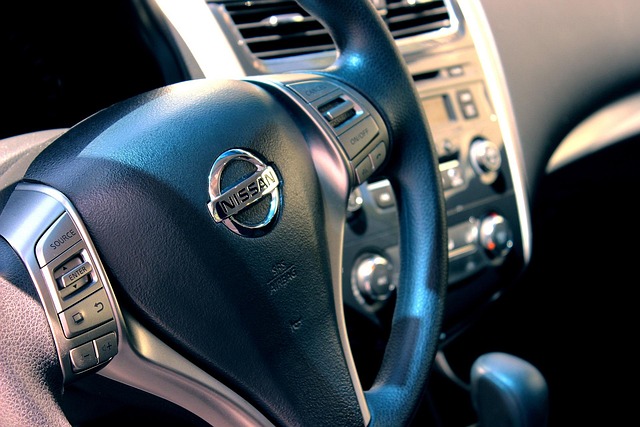
After gathering all necessary documents and confirming your vehicle’s eligibility for registration, it’s time to complete the process and obtain license plates. The California Department of Motor Vehicles (DMV) offers several ways to register your car, including in-person visits, online services, or by mail. However, acquiring physical license plates involves a distinct set of steps. Upon submitting your application, the DMV will verify your vehicle’s unique Vehicle Identification Number (VIN) through their systems. This critical step ensures the vehicle’s history and authenticity.
One innovative method to streamline this process is through mobile VIN verification and inspection services. These services allow you to have a professional inspect your car remotely using just your smartphone. The inspector captures detailed images of the VIN, which are then uploaded for confirmation by the DMV. This modern approach saves time, avoids potential errors in manual entry, and enhances security with visual verification. For instance, some mobile vin verifier apps offer real-time tracking of your application’s status, providing peace of mind throughout the registration journey.
Upon successful VIN validation, the DMV will process your request, including printing license plates tailored to your vehicle. These plates are typically issued within a few business days and must be displayed on your vehicle at all times when driven on California roads. Always ensure accurate placement as per state regulations. Remember, proper licensing is not just about adhering to rules; it’s a crucial aspect of responsible car ownership that contributes to road safety and community accountability.
Registering a car in California involves several key steps, from gathering essential documents to preparing for a vehicle inspection and verifying your car’s history using a VIN verifier. By following these processes diligently, you ensure a smooth registration experience. Begin by collecting necessary paperwork, including proof of ownership, identification, and insurance. Next, prepare your vehicle for inspection by ensuring it meets safety and emission standards. Utilizing a VIN verifier is crucial to accessing the vehicle’s historical data, which can help identify any potential issues or hidden costs. You can choose between visiting a California DMV office or completing the process online. Once all requirements are met, you’ll receive your registration and license plates, finalizing the car registration process in California.