

Registering a car in California is a vital step for any new owner, ensuring legal compliance and protecting your investment. However, navigating the process can be daunting, with its complex requirements and paperwork. This article serves as your comprehensive guide, offering expert insights into every step of the registration procedure. We’ll walk you through the process from start to finish, including crucial aspects like VIN verification, to ensure a smooth and stress-free experience. By the end, you’ll be equipped with the knowledge needed to register your vehicle confidently in the Golden State.
- Prepare Your Vehicle Documentation for California Registration
- Understand California's Requirements for Car Registration
- Gather Necessary Identifying Information for VIN Verification
- Perform Online Title Transfer and VIN Verification
- Complete the Registration Process at the DMV
Prepare Your Vehicle Documentation for California Registration

Before you can register your vehicle in California, ensure that all necessary documentation is prepared for a smooth process. The first step involves verifying your vehicle’s identity through its unique Vehicle Identification Number (VIN). This critical process ensures that the car you’re registering matches the specifications on record, preventing fraud and misrepresentation. A mobile VIN verifier or inspector can play a crucial role here by providing on-site VIN verification services, eliminating the need for you to visit a DMV office or wait in line.
Obtain your vehicle’s Vehicle History Report (VHR) from trusted sources, as it contains detailed information about the car’s past, including ownership history and any reported accidents. In California, this report is often required during the registration process. Additionally, gather other essential documents such as proof of insurance, a valid driver’s license, and current vehicle registration (if previously registered elsewhere).
For out-of-state vehicles, you may need to complete an Intrastate Vehicle Registration Application, along with the aforementioned documents. If your car has been recently purchased, ensure that you have all necessary bills of sale and delivery documents. A mobile VIN verification service can also assist in ensuring these documents are accurate and up-to-date, as it can check the VIN against national databases to confirm vehicle details, including make, model, year, and any recalls or issues.
Understand California's Requirements for Car Registration
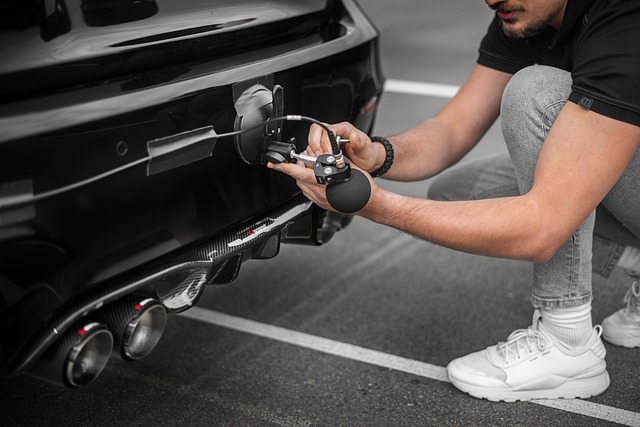
Registering a car in California involves understanding specific requirements designed to ensure vehicle safety and ownership transparency. The process begins with accurate and verifiable information about your vehicle, including its Vehicle Identification Number (VIN). California requires all vehicles registered within its borders to undergo a VIN verification process, ensuring that the details on file match the actual vehicle. This includes checking for any prior accidents, outstanding liens, or other issues that could affect ownership or safety.
One crucial step in this process is utilizing a mobile VIN verifier, which allows for convenient and accurate inspection of your vehicle’s history. These tools provide real-time data access, ensuring that all information on file with the California Department of Motor Vehicles (DMV) remains current and accurate. For instance, many mobile apps now offer comprehensive VIN inspection services, providing detailed reports within minutes. This technology streamlines the registration process, enabling both vehicle owners and DMV staff to make informed decisions quickly.
Furthermore, it’s essential to have all necessary documentation ready before initiating the registration. This includes proof of insurance, a valid driver’s license, and the vehicle’s title. If you’re registering a car that is not yours but on lease, additional paperwork from the leasing company may be required. In some cases, if the vehicle has been in an accident or sustained significant damage, a repair estimate or inspection report might also be necessary to demonstrate safety standards meet California’s requirements.
Gather Necessary Identifying Information for VIN Verification

Before registering your car in California, you’ll need to gather essential identifying information for a successful Vehicle Identification Number (VIN) verification process. This crucial step ensures that your vehicle matches the records on file, helping to prevent fraud and ensuring compliance with state regulations. Key documents include your vehicle’s VIN, which can typically be found on the vehicle’s certificate of title or registration, or on the dashboard near the driver’s side window. You’ll also need proof of ownership, such as a previous registration or bill of sale, and identification documents like a valid driver’s license or state ID card.
California offers several convenient options for VIN verification, including mobile vin verifiers. These portable devices enable you to conduct a thorough inspection right from your location, saving time and effort compared to traditional methods. For instance, many mobile vin inspectors use advanced technology to cross-reference vehicle data against national databases, providing immediate results. This digital approach not only streamlines the registration process but also enhances accuracy by minimizing human error.
To ensure a smooth experience, consider using reputable mobile vin verification services that specialize in California requirements. These professionals are equipped with the latest tools and knowledge of local regulations, making them invaluable assets. Whether you’re dealing with a new or used vehicle, having a reliable mobile vin inspector on hand can significantly expedite your registration efforts. Remember, accurate VIN verification is not just a formality; it safeguards against potential issues down the line and reflects your commitment to responsible car ownership.
Perform Online Title Transfer and VIN Verification

Registering a car in California involves several steps, with a key component being the online transfer of your vehicle’s title and thorough VIN verification. This digital process streamlines traditional methods, offering convenience and speed. Begin by visiting the California Department of Motor Vehicles (DMV) website, where you’ll find dedicated resources for transferring titles and verifying Vehicle Identification Numbers (VIN). The DMV provides clear instructions and forms to guide you through each step.
One of the most efficient tools at your disposal is the ability to conduct a mobile VIN inspection or verification using approved apps or services. These digital tools allow you to quickly validate a vehicle’s history, including any accidents or outstanding issues, by simply entering the unique 17-digit VIN number. This initial check ensures that the car you’re considering is safe and legal to register in California. For instance, many mobile apps offer real-time data updates, providing insights into a vehicle’s past ownership, maintenance records, and potential red flags that might affect its value or safety.
After confirming the vehicle’s condition through VIN verification, proceed with the online title transfer. This process involves submitting the necessary paperwork, including the completed application form, signed title document, and any required fees. The DMV will then review your submission, perform additional verifications, and issue a new registration if everything checks out. This streamlined approach to car registration not only saves time but also reduces potential errors or delays associated with traditional, paper-based methods.
Complete the Registration Process at the DMV

To complete the registration process for a car in California, you’ll need to visit a local Department of Motor Vehicles (DMV) office. This crucial step involves verifying your vehicle’s identity through a comprehensive inspection that includes VIN verification. The California DMV employs several methods for this, including mobile VIN verifiers, ensuring a convenient and accurate process. During your visit, bring all necessary documents such as proof of ownership, insurance, and identification. An DMV representative will guide you through the specifics, which may include a physical inspection of your car to ensure it complies with safety and environmental standards.
Once your vehicle passes the initial checks, the focus shifts to confirming its historical integrity through VIN verification. This process not only ensures that the vehicle is as described but also helps detect any potential discrepancies or tampering. The DMV offers mobile VIN verification services, allowing you to complete this step efficiently without needing to bring your car in for an inspection. For instance, a mobile verifier can validate the VIN and check against national databases to ensure there are no reported issues or outstanding recalls. This digital approach streamlines the registration process, saving time for both customers and DMV staff.
After successfully passing all verifications, including VIN inspection using a mobile verifier if required, you’ll be ready to finalize your car’s registration. The DMV will provide you with the necessary paperwork and any applicable fees. It’s essential to review all documents carefully before leaving the office to ensure accuracy. This meticulous approach ensures that your vehicle is legally registered, enhancing your driving experience and compliance with California’s stringent automotive regulations.
By systematically navigating the Prepare Your Vehicle Documentation, understanding California’s registration requirements, gathering essential identifying information for VIN verification, performing a secure online title transfer and VIN verification, and finally completing the process at the DMV, you’ve empowered yourself to smoothly register your car in California. This comprehensive guide ensures compliance with all necessary steps, emphasizing the critical role of accurate VIN verification throughout. With these key insights in hand, you’re now equipped to efficiently and confidently take the next steps in securing your vehicle’s registration.