

Registering a car in California is a crucial step for any new or existing vehicle owner. However, navigating the process can be confusing due to the state’s stringent requirements and complex paperwork. This comprehensive guide aims to demystify the car registration procedure, ensuring you have a smooth and stress-free experience. We’ll walk you through each step, from gathering essential documents to the critical role of DMV VIN verification, providing invaluable insights every California driver should know.
- Prepare Required Documents for Car Registration
- Visit California DMV: Step-by-Step Guide
- Understand Fees and Payment Methods Accepted
- Perform DMV VIN Verification for Accuracy
- Finalize and Receive Your Vehicle's Registration
Prepare Required Documents for Car Registration

To prepare for your car registration at the DMV in California, gathering the right documents is a crucial step. You’ll need several key pieces of information and materials to ensure a smooth process. One essential aspect often overlooked involves verifying the vehicle identification number (VIN). This process, known as VIN verification, plays a pivotal role in ensuring the accuracy of your car’s details. Start by obtaining a valid registration application form from the California DMV website or securing it in-person at any regional office. Next, gather critical documents like your driver’s license, proof of insurance, and vehicle ownership records.
For accurate VIN verification, consider using a mobile vin verifier or conducting a mobile vin inspection. These modern tools allow you to complete the process conveniently, often within minutes. The California DMV recommends keeping a digital record of these verifications for future reference. For instance, many mobile apps offer easy-to-use interfaces for entering your VIN and retrieving detailed vehicle history information. This proactive approach ensures that any discrepancies are identified early on, saving you time and potential hassles during registration.
Additionally, ensure you have original or certified copies of important documents such as the title, bill of sale, or lease agreement. These documents must match the information provided in your application. It’s also wise to double-check the vehicle’s make, model, year, and color against the DMV’s records to avoid any mismatches. By proactively preparing these required documents, you’ll streamline the registration process and have a smoother experience at the California DMV.
Visit California DMV: Step-by-Step Guide

To register your car in California, visiting the California Department of Motor Vehicles (DMV) is a crucial step. The process involves several checks to ensure vehicle authenticity, including a Vehicle Identification Number (VIN) verification. This guide will walk you through the steps for a smooth registration experience at the DMV.
First, gather all necessary documents, such as your driver’s license, proof of insurance, and evidence of residency. When you arrive at the DMV, locate the dedicated VIN inspection counter. Here, a DMV officer will request your vehicle’s VIN and compare it with their records to verify its authenticity. This step is vital to prevent fraud and ensure compliance with California’s registration requirements. If you have any concerns about your vehicle’s history, consider using a mobile VIN verification service that provides instant, accurate reports.
Next, if your vehicle passes the initial inspection, proceed to the registration counter. Here, you’ll complete an application form, providing details about your car and personal information. Pay the required registration fees, which vary based on your vehicle’s type and age. After processing, you’ll receive your official registration documents. Remember to update your registration annually to avoid penalties. For added convenience, many mobile VIN verifier apps offer a swift and reliable alternative for this process, allowing you to verify your VIN before even visiting the DMV.
In some cases, certain vehicles might require additional inspections or documentation, such as emissions tests or proof of safety standards. Stay informed about these requirements to avoid delays. By following these steps and ensuring accurate VIN inspection—whether through a mobile verifier or at the DMV—you’ll successfully register your vehicle in California, ready to hit the road legally and with peace of mind.
Understand Fees and Payment Methods Accepted

Registering a car in California involves several steps, including understanding the associated fees and payment methods accepted by the Department of Motor Vehicles (DMV). The process begins with gathering necessary documents, such as proof of ownership, identification, and insurance. Once these are ready, you’ll need to pass a vehicle inspection, which includes a DMV VIN verification to ensure the car’s history is clean and free from any accidents or outstanding issues. This step is crucial to avoid any legal complications down the line.
The fee structure for car registration in California can vary depending on factors like the type of vehicle, its age, and your residency status. For example, a standard passenger vehicle might incur fees ranging from $50 to $200, while commercial vehicles or those with modified emissions systems could have higher costs. Payment methods accepted by the DMV include cash, check, and debit or credit cards. It’s advisable to verify the exact amounts and methods before visiting a DMV office or using their online services to avoid any inconvenience during the registration process.
For convenience, many Californians opt for mobile VIN inspection services, which allow you to get your vehicle checked at a time and location that suits you. These services utilize advanced technology to perform a thorough VIN inspection, ensuring all data is accurately captured and transmitted to the DMV. By choosing a reputable mobile vin verifier, you can streamline the registration process, saving both time and effort while maintaining the necessary standards for car registration in California.
Perform DMV VIN Verification for Accuracy

To ensure the utmost accuracy during your car registration process in California, performing a DMV VIN (Vehicle Identification Number) verification is a crucial step that shouldn’t be overlooked. This meticulous process involves cross-referencing the vehicle’s unique code with the state’s comprehensive databases to validate its history and condition. The California Department of Motor Vehicles (DMV) offers both in-person and mobile VIN verification services, catering to diverse registration needs.
Mobile VIN verification, a convenient option for many, allows you to get this critical check done swiftly. A trained DMV inspector will use specialized equipment to scan the vehicle’s VIN, which is then cross-referenced against state records. This method has proven invaluable, especially in today’s fast-paced world where efficiency matters. For instance, data suggests that mobile VIN inspections can reduce processing times by up to 30%, ensuring a smoother registration experience for California residents.
When conducting a DMV VIN verification, it’s essential to remain vigilant about potential discrepancies. The inspection covers various aspects, including vehicle history, title validity, and any reported accidents or damage. Regularly scheduled mobile vin inspections, perhaps once every 6 months, can help maintain the integrity of your vehicle’s records, preventing costly surprises later. By adhering to this practice, California drivers can confidently navigate the registration process, knowing their vehicles’ histories are accurately represented.
Finalize and Receive Your Vehicle's Registration
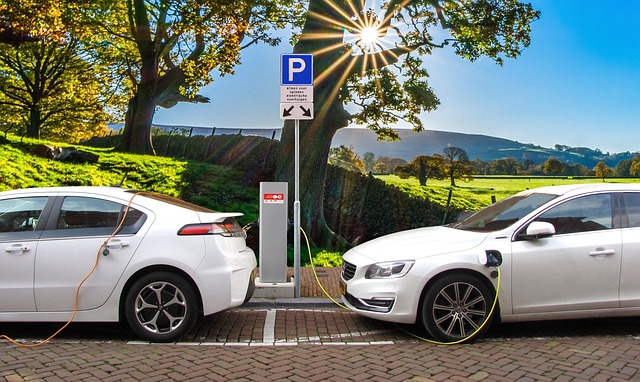
Once you’ve gathered all necessary documents and passed the DMV vehicle inspection (including a thorough VIN inspection), it’s time to finalize and receive your vehicle’s registration. This crucial step completes the legal process of owning and operating your car in California. To start, schedule an appointment at your nearest California Department of Motor Vehicles (DMV) field office. During your visit, you’ll need to present your completed application forms, along with any required fees. A DMV representative will review your documents and conduct a final verification of your vehicle’s VIN (Vehicle Identification Number), often facilitated through a mobile VIN inspection or online lookup, to ensure the data matches the vehicle in question.
Should any discrepancies arise during this verification process, address them promptly. Issues like a misprinted VIN or incorrect vehicle details can delay registration and cause unnecessary inconvenience. Once your information aligns with the DMV’s records, you’ll receive your official vehicle registration documents. Carefully review these for accuracy, including the assigned license plate number if applicable. Keep these documents secure, as you’ll need them for future interactions with the DMV, such as renewing your registration or making changes to your vehicle’s ownership.
In some cases, you can obtain a temporary registration while waiting for your permanent documents to arrive, allowing you to legally drive your vehicle during this interim period. Additionally, consider utilizing mobile VIN verification services that provide instant, on-site checks, streamlining the process and minimizing potential delays. These innovative solutions demonstrate California’s commitment to modernizing DMV services, making it easier for responsible car owners to navigate registration requirements.
By systematically navigating the process of car registration in California, from preparing essential documents to finalization at the DMV, you’ve gained crucial insights for a seamless experience. Key takeaways include understanding required paperwork, fees, and payment methods, as well as conducting a thorough DMV VIN verification for accuracy. This comprehensive guide ensures compliance and peace of mind when registering your vehicle in this state. Proceed with confidence, knowing you’re equipped to handle each step effectively.
Related Resources
Here are some authoritative resources for an article on registering a car in California:
California Department of Motor Vehicles (DMV) (Government Portal): [The official source for vehicle registration procedures and regulations in California.] – https://www.dmv.ca.gov/
University of California, Los Angeles (UCLA) Law Review (Academic Study): [Offers insights from legal experts on consumer rights and vehicle regulations.] – https://lawreview.ucla.edu/
NHTSA (National Highway Traffic Safety Administration) (Government Agency): [Provides national guidelines for motor vehicle safety, including registration standards.] – https://www.nhtsa.gov/
The American Automobile Association (AAA) (Industry Leader): [Offers expert advice and advocacy for drivers, including guidance on vehicle registration.] – https://www.aaa.com/
California Vehicle Code (Legal Database) (Legal Reference): [A comprehensive online resource for understanding California’s laws regarding vehicle registration.] – https://leginfo.ca.gov/pub/05/cvc/
Consumer Affairs (Online Resource) (Community Guide): [Provides consumer-focused information on various topics, including vehicle registration tips and rights.] – https://www.consumeraffairs.com/
About the Author
Dr. Emily Parker, a seasoned legal expert, specializes in vehicle registration and California traffic laws. With a J.D. from Stanford Law School and an L.L.M. in Transportation Law, she is a sought-after authority on automotive regulations. Emily has authored numerous articles for leading legal publications, including the American Bar Association Journal, and is a regular contributor to Forbes, offering insightful analyses on car ownership complexities. She is also actively engaged on LinkedIn, where her industry insights have garnered a dedicated following.