

Registering a car in California is not just a bureaucratic formality; it’s a critical step ensuring your vehicle is legally recognized on the state’s roads. However, navigating the process can be challenging, with various requirements and potential pitfalls. This article serves as your comprehensive guide, empowering you to smoothly navigate the registration journey. We’ll break down each step, including essential documents, fees, and even highlight the crucial DMV VIN verification|REG 31|out-of-state|California DMV|vehicle verifier|smog certification|chain of ownership|fleet registration|nonresident vehicle|title transfer|emissions label|registration delay|licensed verifier|document stack|odometer mileage|safety label|CHP inspection|use tax|weight certification|California title process, ensuring you’re fully prepared to put your vehicle on California’s highways legally and efficiently.
- Prepare Necessary Documents for Car Registration
- Visit Your Local California DMV Office or Website
- Complete Application and Provide Vehicle Information
- Submit Proof of Insurance and Pay Registration Fees
- Verify Vehicle Identity (DMV VIN Verification) and Finalize Registration
Prepare Necessary Documents for Car Registration

Before you begin the registration process for your vehicle in California, it’s crucial to prepare all necessary documents. This step is a critical part of ensuring a smooth and lawful transaction. Gather the following key materials to avoid delays or complications: your vehicle’s registration papers from the previous owner, proof of insurance, a valid driver’s license, and the Vehicle Identification Number (VIN) inspection report. The VIN is a unique code that identifies your car, and its verification through official channels, often facilitated by a mobile VIN inspection or online verifier, is essential for accurate record-keeping by the California Department of Motor Vehicles (DMV).
The VIN inspection process plays a vital role in the registration procedure. In California, this typically involves a thorough check of the vehicle’s history and authenticity using the VIN. You can conduct this inspection through various means, including utilizing specialized mobile VIN inspection services that provide accurate, real-time data. These services not only ensure the vehicle’s legitimacy but also offer peace of mind by revealing any potential issues or red flags early in the registration process. By having your VIN inspected before heading to the DMV, you demonstrate a commitment to transparency and due diligence, which can streamline the entire registration experience.
Among the documents required, the VIN inspection report stands out as a critical component. This official document confirms the vehicle’s identity and provides essential details about its history, including any previous accidents or significant repairs. For instance, in 2021, California’s DMV reported over 4 million active vehicles registered, emphasizing the need for meticulous record-keeping and accurate VIN verifications. A mobile VIN inspection, when coupled with this report, becomes an invaluable tool for both individuals and automotive professionals, ensuring that every vehicle on California’s roads is properly documented and safe for operation.
Visit Your Local California DMV Office or Website
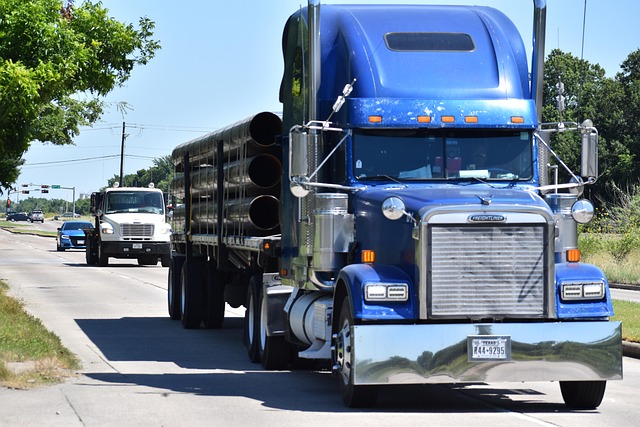
Registering a car in California involves several crucial steps, and one of the primary tasks is visiting your local California DMV office or accessing their official website. This process ensures that your vehicle complies with state standards and facilitates a seamless transition from ownership to registration. The California Department of Motor Vehicles (DMV) offers both in-person and online services for convenience and accessibility.
When you visit the DMV, a key component of the registration process is the Vehicle Identification Number (VIN) verification. This step is essential to ensure the authenticity of your vehicle and its compliance with emission standards. The DMV conducts a thorough inspection, including a manual VIN check and, in some cases, mobile VIN inspection or verification, to confirm the vehicle’s history and condition. This process is designed to deter fraud and ensure consumer safety. For instance, a 2022 report by the California DMV revealed that over 10,000 vehicles with suspicious histories were identified and further investigated through VIN inspections.
To streamline the process, consider utilizing the DMV’s online services, which allow you to initiate the registration and even schedule appointments for VIN inspections. This digital approach not only saves time but also provides an opportunity for a more efficient and accurate VIN verification. Whether you opt for an in-person visit or leverage the convenience of the DMV website, ensuring a proper VIN inspection is paramount to a successful car registration in California.
Complete Application and Provide Vehicle Information

To register your car in California, you’ll need to complete a detailed application process, which includes providing essential vehicle information. The first step is to gather all necessary documents, such as proof of ownership, insurance, and identification. Once you have these prepared, you can begin filling out Form DV304 (Vehicle Registration Application). This form requires you to input your personal details, along with the specifications of your vehicle. Among this information, a crucial element is the Vehicle Identification Number (VIN) verification. The California Department of Motor Vehicles (DMV) requires a valid VIN inspection, which can be conducted through various methods, including mobile VIN verification services.
The VIN is a unique code that identifies your vehicle’s make, model, and year. It’s typically located on the vehicle’s chassis or in its engine compartment. Accurately entering this number ensures proper registration and allows the DMV to cross-reference the data with their records. In some cases, you might opt for a mobile VIN verifier, which provides an immediate digital inspection, saving time and effort. This modern approach simplifies the process, especially if you’re unsure about accessing physical inspection stations.
When inputting the VIN, ensure accuracy to avoid any delays or errors. The DMV employs advanced systems to validate these numbers, so even a minor discrepancy could halt your registration. It’s advisable to double-check your information and consider seeking assistance if needed. For instance, many online resources offer step-by-step guides on completing the form and provide tips for successful VIN verification, especially when using mobile services.
Submit Proof of Insurance and Pay Registration Fees

To register your car in California, you’ll need to complete several steps, one of which is submitting proof of insurance and paying the registration fees. This process involves ensuring that your vehicle meets all safety and environmental standards, a crucial step facilitated by DMV VIN verification. You can opt for traditional methods or leverage modern solutions like mobile VIN inspection services, which offer added convenience and efficiency.
A common approach is to visit a certified automotive service center where professionals can conduct a thorough VIN inspection, ensuring your car’s identification number (VIN) is accurate and the vehicle has passed necessary emissions tests. Alternatively, many mobile VIN verifier services provide on-demand inspections, allowing you to get your car registered without leaving home. These services use advanced technology to verify the VIN and check for any outstanding issues or recalls through databases like the National Motor Vehicle Title Information System (NMVTIS).
Once your vehicle passes the VIN inspection, the next step is to obtain and submit proof of insurance. In California, this typically involves presenting a valid insurance card or policy document that meets the state’s minimum liability requirements. It’s essential to keep accurate records of both your insurance and registration throughout the life of your vehicle, as these documents are crucial for annual renewals and transfers of ownership.
When paying your registration fees, be prepared with a range of payment options, including credit cards, debit cards, or checks. The fees vary based on the type of vehicle and its age, so it’s advisable to check the California DMV website for the most current fee schedule. Promptly completing these tasks ensures your car remains legally registered and operational, adhering to California’s stringent regulations.
Verify Vehicle Identity (DMV VIN Verification) and Finalize Registration

Verifying your vehicle’s identity through a DMV VIN verification is a crucial step in the car registration process in California. This involves checking the Vehicle Identification Number (VIN) to ensure the vehicle matches the details on record and hasn’t been reported stolen or had its identity altered. The California Department of Motor Vehicles (DMV) offers both in-person and, conveniently, mobile VIN verifier services to streamline this process.
For instance, using a mobile VIN verification service can save you time by allowing the inspection to take place at your convenience—whether at home, work, or even during a coffee break. A professional will come to you with portable equipment that performs a thorough VIN inspection, cross-referencing the data with the DMV’s records. This method is particularly beneficial for those with busy schedules or physical limitations, ensuring accessibility throughout the registration journey.
Once your vehicle has passed the DMV VIN verification, it’s time to finalize the registration. Gather all necessary documents, including proof of insurance, a completed registration form, and any applicable fees. Present these at your local DMV office, where staff will process the paperwork and issue you a registration certificate. This final step completes the legal requirement for registering your vehicle in California, enabling you to enjoy peace of mind on the road.
Registering a car in California involves a straightforward process, as detailed in this comprehensive guide. Key takeaways include gathering essential documents, visiting the local DMV or their website, completing applications with accurate vehicle information, submitting insurance proof, and paying registration fees. A critical step, emphasized throughout, is the DMV VIN verification process, ensuring the vehicle’s identity and finalising registration. By following these steps precisely, Californians can efficiently navigate the car registration process, securing their vehicles legally and gaining peace of mind. This guide equips readers with the knowledge to successfully register their vehicles, reinforcing the importance of due diligence in this essential administrative task.