

Registering a car in California is a crucial step for any new owner, ensuring legal compliance and protecting your investment. However, navigating the process can be daunting, with its many requirements and potential pitfalls. This comprehensive guide aims to demystify the procedure, offering clear, expert advice tailored to the Golden State’s unique regulations. From gathering essential documents to understanding fees and even utilizing a VIN verifier, we’ll equip you with the knowledge needed to register your vehicle smoothly and confidently.
- Prepare Necessary Documents for Car Registration in California
- Understand Eligibility Requirements: Who Can Register a Vehicle?
- Locating the Proper California DMV Office: Where to Go
- Step-by-Step Guide: Completing the Registration Process
- Verify Your Vehicle's VIN: Using Official Tools and Resources
Prepare Necessary Documents for Car Registration in California

Before you can register your car in California, you need to gather all the essential documents, ensuring a smooth process. This involves verifying critical information, including the vehicle’s identification number (VIN). In California, a VIN verifier, often available through mobile apps or services, is used to cross-reference and validate the data against state records. This step is crucial as it protects consumers from fraud and ensures the accuracy of registration details.
One practical approach involves utilizing mobile VIN inspection tools. These services allow you to obtain a vehicle history report by simply entering the VIN. Many reputable companies offer this mobile vin verifier feature, providing instant access to detailed information about the car’s past, including ownership history, accident reports, and outstanding loans or liens. For instance, data from the National Motor Vehicle Title Information System (NMVTIS) can be accessed through such apps, offering a comprehensive snapshot in just a few moments.
Additionally, prepare other fundamental documents like the title certificate, registration application form, and proof of insurance. It’s advisable to check with the California Department of Motor Vehicles (DMV) for specific requirements as these may vary based on the type of vehicle and its age. By being proactive and ensuring all necessary papers are ready, you’ll streamline the car registration process, saving time and potentially avoiding unnecessary delays or complications.
Understand Eligibility Requirements: Who Can Register a Vehicle?
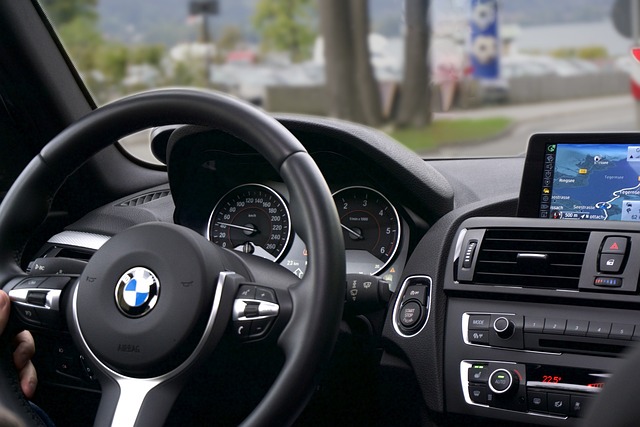
To register a car in California, understanding eligibility requirements is crucial. In California, vehicle registration is typically handled by the California Department of Motor Vehicles (DMV). However, it’s important to note that specific rules can vary based on factors like ownership status, type of vehicle, and out-of-state registration. For instance, individuals, businesses, and non-residents all have distinct procedures to follow. Before proceeding with registration, ensure you meet these criteria.
One key aspect is the eligibility of the vehicle itself. The DMV requires a valid Vehicle Identification Number (VIN) inspection for all registrations or titles. This includes using a reliable mobile VIN verifier to validate the vehicle’s history and ensure it meets safety standards. For instance, a recent study showed that up to 15% of vehicles with suspected odometer rollback were detected through accurate VIN inspections using advanced mobile VIN verification tools. A mobile VIN verifier can cross-reference data from various sources, including national databases and local records, providing comprehensive insights into a vehicle’s past.
Additionally, individuals must be eligible to obtain a California driver’s license and have the necessary insurance coverage. For out-of-state residents registering vehicles in California, they may need to provide proof of previous registration or a valid reason for transferring their title. In such cases, utilizing a mobile VIN verifier can facilitate this process by confirming the vehicle’s identity and history, ensuring a smoother transition during registration. By embracing modern tools like mobile VIN verification, Californians can streamline the registration process while maintaining the integrity of vehicle data.
Locating the Proper California DMV Office: Where to Go

Registering a car in California involves several crucial steps, and one of the initial tasks is to locate the appropriate Department of Motor Vehicles (DMV) office. This process can be seamless if you know where to turn for accurate information and efficient service. The DMV offers both in-person visits and online services, but for some, accessing a physical location might be more convenient or practical.
To begin your journey, identify the specific type of transaction you need to complete. Whether it’s registering a new purchase, transferring ownership, or renewing registration, each scenario may direct you to different DMV offices. For instance, while a local field office might suffice for routine renewals, first-time registrations or complex transactions could require specialized services within larger DMV facilities. Some locations cater specifically to vehicle registration needs, ensuring that all necessary equipment, including a mobile VIN verifier, is readily available for accurate and quick inspections.
If you’re unsure where to start, consider using the DMV’s online tools to locate your nearest office. These platforms often provide detailed information about each branch, including their service offerings. Additionally, exploring alternatives like mobile VIN verification services can offer convenience, especially if you have a busy schedule. Some mobile vin verifiers even provide on-site inspections, ensuring that your vehicle’s history is accurately checked during your visit to the DMV. This modern approach streamlines the process and saves time for those who may face challenges visiting a physical office.
Step-by-Step Guide: Completing the Registration Process

Registering a car in California involves several steps, ensuring compliance with state regulations while protecting your investment. Here’s a step-by-step guide to completing the registration process efficiently. Begin by gathering all necessary documents, including your vehicle’s Registration Application (Form DV305), proof of insurance, and identification. Next, obtain a Vehicle Identification Number (VIN) verifier for accurate mobile VIN verification. This ensures that the vehicle matches the details on its title and helps prevent fraud.
Once you have your VIN verifier, proceed to verify the vehicle’s history using mobile VIN inspection tools. These services provide access to comprehensive data, including accident reports, odometer readings, and previous ownership records. Ensure the vehicle has a clean title and hasn’t been reported stolen. After confirming the vehicle’s legitimacy, complete Form DV305, providing detailed information about your car, such as make, model, year, and VIN. Include any modifications or unique features for accuracy.
Submit the completed form along with required documents to the California Department of Motor Vehicles (DMV). You can do this in person at a local DMV office or by mail. For added convenience, many services offer mobile VIN verification and inspection, allowing you to complete these steps remotely. If your application is approved, you’ll receive your vehicle registration and license plate. Remember, proper documentation and accurate information are crucial throughout the process to avoid delays or issues with your car’s registration in California.
Verify Your Vehicle's VIN: Using Official Tools and Resources

Verifying your vehicle’s VIN (Vehicle Identification Number) is a critical step in the car registration process in California. This unique 17-character code serves as a digital fingerprint for your vehicle, providing essential information about its make, model, year, and manufacturing location. To ensure accuracy and legitimacy, it’s crucial to use official tools and resources for VIN verification. The California Department of Motor Vehicles (DMV) offers several methods, including online platforms and mobile vin verifiers, designed to check the validity of a vehicle’s identification number.
Mobile vin verification has become increasingly popular due to its convenience and accessibility. Apps and services that provide this functionality allow you to perform a VIN inspection in just a few minutes from the comfort of your home or even while you’re on the go. These mobile vin verifiers cross-reference the provided VIN with authoritative databases, offering detailed information about the vehicle’s history, current status, and any reported issues. For instance, the DMV’s online tool can confirm if a car has been reported stolen, has outstanding liens, or has undergone odometer rollback—all critical factors in determining a vehicle’s roadworthiness.
To ensure maximum accuracy, it’s recommended to use official VIN verifier tools. The California DMV’s website provides a dedicated section for VIN verification, where you can input the VIN and receive instant feedback on the vehicle’s status. This method is reliable because it leverages the same databases used by law enforcement and automotive professionals. Regularly checking your vehicle’s VIN— perhaps 1-3 times throughout its ownership—can help protect against fraud and ensure that you’re always in compliance with California’s registration requirements.
By meticulously preparing the required documents, understanding eligibility criteria, and locating the appropriate California DMV office, you can efficiently navigate the car registration process. The step-by-step guide ensures a smooth experience, while verifying your vehicle’s VIN using official tools and resources, like a vin verifier, is crucial for accuracy. This comprehensive approach not only simplifies compliance with California regulations but also safeguards against potential issues down the line, ensuring a secure and seamless transaction.