

Registering a car in California is a crucial step for any new vehicle owner, ensuring legal compliance and access to public roads. However, navigating the process can be confusing, especially with stringent regulations in place. This comprehensive guide aims to demystify the procedures, offering clear instructions on how to register your vehicle seamlessly. We’ll delve into every step, from gathering essential documents to the critical DMV VIN verification process, ensuring you’re well-prepared for a smooth registration experience.
- Gather Required Documents for Car Registration
- Prepare Your Vehicle for DMV Inspection (VIN Verification)
- Complete Online or In-Person Registration Application
- Pay California Car Registration Fees and Taxes
- Receive Your California Vehicle Registration and License Plate
Gather Required Documents for Car Registration

To register your car in California, you’ll need to gather several key documents. The process begins with ensuring your vehicle is eligible for registration through a valid DMV VIN verification. This step is crucial as it establishes the vehicle’s identity and history, which can be done efficiently with a mobile VIN verifier or by conducting a traditional VIN inspection at a designated location. In California, the Department of Motor Vehicles (DMV) requires a comprehensive set of documents to process your registration request smoothly.
Among these, you’ll need proof of ownership through a bill of sale or previous registration, a valid driver’s license or ID card, and current insurance coverage demonstrating financial responsibility. For non-residents temporarily registering a vehicle in California, additional paperwork such as visa or work permit copies may be required. It’s essential to check the DMV’s website for the most up-to-date list of acceptable documents, as requirements can vary based on circumstances.
Once you’ve gathered all necessary documents, including proof of a successful mobile VIN inspection or report from a trusted source, schedule an appointment at your nearest California DMV office. Alternatively, many services now offer online registration with digital verification, streamlining the process and reducing potential wait times. Ensure that your documentation is accurate and complete to avoid delays and navigate the car registration process efficiently.
Prepare Your Vehicle for DMV Inspection (VIN Verification)
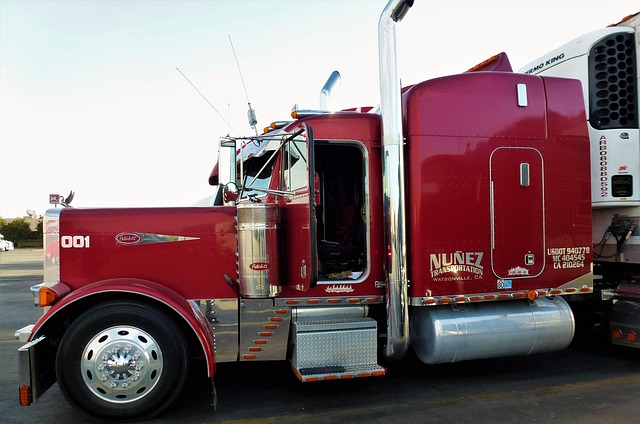
Before registering your car in California, ensure your vehicle meets state standards through a crucial step: preparing for DMV inspection, specifically focusing on Vehicle Identification Number (VIN) verification. This process involves ensuring that your car’s unique VIN code aligns with its make, model, and year as documented by the manufacturer. It’s a critical aspect of the registration process, as California’s Department of Motor Vehicles (DMV) vin verification ensures vehicles meet safety and environmental standards.
For many vehicle owners, this means getting your car ready for a thorough inspection that includes checking key components like the engine, transmission, and brakes. However, modern technology has simplified this step with mobile VIN verifiers. These tools enable on-site, real-time VIN verification, allowing you to address any discrepancies immediately. For instance, if there’s a mismatch between the reported year of the vehicle and its actual age, as revealed by the VIN, you can take corrective actions before submitting your registration application.
Consider using a reputable mobile vin verifier for convenience and accuracy. These services not only streamline the preparation process but also enhance transparency. By accessing detailed vehicle history reports, you’re better equipped to identify potential issues that could delay registration or indicate past accidents or tampering. For example, data from the Vehicle History Report can help you understand if your car has been in any recalls, floods, or other incidents that might impact its condition and resale value.
Remember, while mobile vin verification is a significant timesaver, it’s only one part of the preparation process. Ensure your vehicle is in good working order, maintain proper documentation, and gather all necessary registration materials to make the DMV visit as seamless as possible.
Complete Online or In-Person Registration Application

To register a car in California, you’ll need to complete either an online or in-person registration application, depending on your preference and circumstances. The process involves gathering essential documents and ensuring your vehicle meets all legal standards, including a DMV VIN verification. This step is crucial to establish ownership and ensure the vehicle’s history aligns with its current condition.
For those opting for an online approach, the California Department of Motor Vehicles (DMV) offers a streamlined application process. You’ll need to create an account on the official DMV website, access your vehicle’s registration history, and provide updated information. The system will guide you through the process, requesting specific details related to your car, including its make, model, year, and unique VIN (Vehicle Identification Number). Here, a mobile VIN inspection or verification service can be particularly useful, allowing you to quickly capture and share this critical data with the DMV.
In-person registration involves visiting a local DMV office, where you’ll submit similar documentation. Bring along your vehicle’s title, proof of insurance, and identification documents. An DMV representative will then conduct a VIN inspection to verify the vehicle’s details. This is especially important in cases where there are discrepancies between the provided information and the vehicle’s actual specifications, as mobile VIN verification services can help resolve such issues promptly.
Pay California Car Registration Fees and Taxes

Registering a car in California involves several steps, and one critical aspect is paying the associated fees and taxes. The California Department of Motor Vehicles (DMV) requires owners to cover registration costs, which include a base fee and various taxes based on vehicle type and emissions status. Understanding these charges is essential for a smooth registration process.
The base California car registration fee ranges from $50 to $250, depending on the vehicle’s weight and model year. This fee covers state administrative costs. In addition, several taxes may apply, such as the Vehicle Use Tax (VUT), which is typically based on the vehicle’s purchase price or assessed value. The VUT rate varies but generally ranges from 1% to 2% of the vehicle’s total cost. For example, if you purchase a car for $20,000, the VUT would be approximately $200 to $400. It’s crucial to ensure accurate calculation and reporting during the registration process, which can be facilitated by utilizing a mobile vin inspection or mobile vin verifier service to confirm vehicle details before payment.
Furthermore, electric vehicles (EVs) may qualify for reduced fees and taxes due to their lower emissions impact. California offers various incentives for EV owners, including a $70 reduction in the base registration fee. Some counties also provide additional discounts, making registration more affordable. When preparing to register, consider these incentives and explore options like mobile vin verification services to streamline the process and ensure compliance with current regulations, as DMV vin verification plays a vital role in ensuring accurate vehicle documentation.
Receive Your California Vehicle Registration and License Plate

After completing your California vehicle registration application at the DMV or online, the next step is to receive your official Vehicle Registration and License Plate. This crucial process ensures that your vehicle complies with state regulations and allows you to legally operate it on California roads. Once approved, you’ll be issued a unique California license plate, paired with your registration documents.
Obtaining your plates involves a few key steps. First, ensure you’ve passed all required inspections, including a DMV VIN verification check. This step is vital to confirm the vehicle’s identity and history, and it can often be completed through a mobile vin verifier for added convenience. You may be required to present proof of insurance and pay associated fees before acquiring your license plate.
The California DMV offers both in-person and online options for receiving your registration and plates. In-person visits typically involve shorter wait times compared to online submissions, which can take several days for processing. For added flexibility, some mobile vin verification services allow you to conduct the necessary inspections remotely, streamlining the entire process. Regularly checking your mail or account updates is essential, as the DMV will notify you when your registration and plates are ready for pickup or delivery.
Remember, proper vehicle documentation, including accurate VIN inspection results, is critical throughout the registration process. It helps prevent issues with future registrations and ensures a seamless driving experience in California. By following these steps and leveraging available mobile vin verification tools, you can efficiently obtain your California Vehicle Registration and License Plate, enabling you to enjoy hassle-free ownership and operation of your vehicle within the state’s legal framework.
Registering a car in California involves several key steps, from gathering essential documents to completing an application and paying fees. Ensuring your vehicle passes the DMV VIN verification is crucial for a smooth process. By preparing beforehand, whether online or in-person, you can efficiently navigate the registration process. Remember to obtain your vehicle’s unique identification number (VIN) for verification, as it plays a vital role in the entire procedure. This authoritative guide provides clear directions and emphasizes the importance of each step, empowering readers with the knowledge to successfully register their vehicles in California.