

Registering a car in California is not just an administrative task; it’s a crucial step to ensure legal operation on the state’s roads. However, navigating the process can be daunting, with many details to manage. This article serves as your comprehensive guide, equipping you with the knowledge to seamlessly register your vehicle. We’ll break down each step, from gathering essential documents to understanding fees and, crucially, how to conduct a DMV VIN verification. By the end, you’ll be well-prepared to confidently complete the registration process.
- Gather Required Documents for Car Registration
- Prepare Your Vehicle for DMV Inspection (Include VIN Verification)
- Navigate the California Car Registration Process Online or In-Person
- Pay the Necessary Fees for Car Registration and License Plate
- Maintain Your Registered Vehicle: Deadlines & Record Keeping
Gather Required Documents for Car Registration

Registering a car in California involves several steps, but having the right documents is key to a smooth process. Before you begin, gather all necessary paperwork, including your vehicle’s registration from the previous state (if applicable), proof of insurance, and a completed DMV form 137 (Vehicle Ownership Transfer). The primary document that requires special attention here is the Vehicle Identification Number (VIN) verification. This process ensures the authenticity of your car’s details and can be conveniently done through a mobile vin inspection or a trusted mobile vin verifier.
For out-of-state registrations, you’ll need to have the vehicle inspected by an authorized official to ensure it meets California’s safety and emission standards. This step is crucial as it allows for a direct comparison of your car’s records with the state’s database, streamlining the registration process. Some counties in California offer mobile vin inspection services, which can save you time and effort by having a professional come to your location to perform the VIN verification.
It’s also important to double-check that all title transfers are up to date. If there have been multiple owners, ensure each transfer is accurately documented. This attention to detail helps avoid potential delays or issues during registration. Additionally, gathering other essential documents like a valid driver’s license and proof of residency can expedite the overall process.
Prepare Your Vehicle for DMV Inspection (Include VIN Verification)

Before registering your car in California, it’s crucial to prepare your vehicle for the DMV inspection process, beginning with meticulous VIN (Vehicle Identification Number) verification. The DMV vin verification is a critical step that ensures your vehicle meets all necessary safety and legal standards. This process involves cross-referencing your vehicle’s information against comprehensive databases to confirm its authenticity, history, and compliance. One efficient method to facilitate this step is through mobile vin verification services, which offer on-demand inspections conducted by certified professionals directly at your location.
During the preparation phase, ensure all documentation related to ownership and maintenance is up to date and readily available. This includes vehicle registration records, service invoices, and any proof of repairs or modifications made to the car. Accurate record-keeping not only simplifies the inspection process but also demonstrates responsible vehicle ownership. In California, where mobile vin inspection services are increasingly popular, you can expect a swift and accurate verification process that enhances convenience and efficiency.
For instance, a study conducted by the California DMV revealed that nearly 15% of vehicles failed their initial inspection due to discrepancies in VIN data or incomplete documentation. However, with mobile vin verification, these issues can be addressed proactively. By utilizing these services, you not only streamline the registration process but also ensure your vehicle’s safety and compliance, thereby reducing the risk of delays or rejections at the DMV. As a responsible owner, taking proactive measures to pass the inspection is in line with fostering a culture of road safety and adherence to legal requirements.
Navigate the California Car Registration Process Online or In-Person
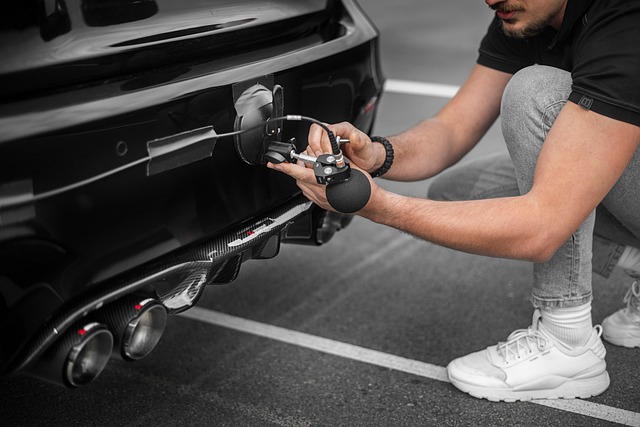
Registering a car in California involves several crucial steps, one of which is navigating the process either online or in person at a Department of Motor Vehicles (DMV) office. The state offers both options to ensure convenience and accessibility for residents. Online registration is typically faster and more efficient, allowing you to avoid waiting times at the DMV. The process usually requires providing essential documents, such as proof of ownership, identification, and insurance. It’s important to ensure that all information is accurate and up-to-date during this stage, particularly when conducting a California car registration renewal.
One significant aspect of both online and in-person registration is the need for a valid Vehicle Identification Number (VIN) verification. The DMV uses this unique code to access vehicle history and ensure it complies with regulations. In many cases, you can conduct a VIN inspection using a mobile vin verifier, which streamlines the process and can be done from the comfort of your home or even while waiting at the DMV. This digital approach not only saves time but also enhances accuracy by reducing manual entry errors.
For those opting for in-person registration, visiting a local DMV office involves presenting physical documents and possibly paying additional fees. It’s advisable to check with your local DMV branch ahead of time to understand specific requirements and any potential delays. In recent years, the California DMV has been working on improving its services through digital initiatives, including online platforms and mobile vin verification tools, making the registration process more accessible and efficient for all residents.
Pay the Necessary Fees for Car Registration and License Plate

Registering a car in California involves several steps, but paying the necessary fees for car registration and license plates is a crucial aspect. The California Department of Motor Vehicles (DMV) requires specific fees for vehicle registration, which vary based on the type and age of your vehicle. For instance, fees range from approximately $50 to over $200, depending on factors like emissions standards and whether you’re registering a new or used car. It’s important to understand these charges to avoid any surprises during the registration process.
One key component of the registration fee is the DMV vin verification process, which ensures the vehicle’s identification number (VIN) is accurate and matches the vehicle’s specifications. This can typically be completed through a standard vin inspection at a certified location or, for added convenience, with a mobile vin inspection service. Mobile vin verification services offer the advantage of on-site convenience, saving you time and effort by allowing a DMV inspector to conduct the inspection at your location. For instance, some providers offer same-day service, making the entire registration process more efficient.
Before proceeding, it’s wise to compare mobile vin inspection costs against traditional inspections. While they may cost slightly more, the convenience factor can be significant, especially for busy individuals or those with limited access to a fixed inspection site. Ensure you choose a reputable provider offering transparent pricing and reliable service. Additionally, keep your vehicle’s documentation ready, including proof of insurance and any required emissions test results, as these will need to be submitted alongside your application. By being prepared with these steps, you can streamline the registration process and quickly get your California license plates.
Maintain Your Registered Vehicle: Deadlines & Record Keeping

To maintain your registered vehicle in California, it’s crucial to understand and adhere to specific deadlines and record-keeping practices. One key aspect is staying on top of your Vehicle Identification Number (VIN) verification. The California Department of Motor Vehicles (DMV) requires this process for initial registration as well as periodic renewals, ensuring the accuracy of vehicle information. For instance, a VIN inspection checks for potential fraud or discrepancies that could impact safety regulations.
Deadlines are strictly enforced, with regular renewal periods typically occurring every two years. During these periods, you’ll need to ensure your DMV VIN verification is up to date. A mobile vin inspection service can be particularly convenient, allowing you to complete this requirement from the comfort of your home or office. These services use advanced technology to perform a thorough vin inspection, providing instant results and peace of mind. For example, some mobile vin verifiers offer real-time data checks against national databases, guaranteeing the validity of your vehicle’s history.
Record keeping is another vital component. It’s essential to maintain accurate records of all registration and VIN verification activities. This includes saving any documentation related to inspections, repairs, or modifications made to your vehicle. Such records not only help in demonstrating proper maintenance but can also be crucial for insurance claims or future sales. For instance, if you ever need to prove the original condition of your car, having detailed records from previous vin inspections can be invaluable. Regularly reviewing and updating these records ensures compliance with DMV requirements and enhances your overall vehicle ownership experience.
By meticulously gathering all required documents, preparing your vehicle for a successful DMV inspection, including VIN verification, and understanding both online and in-person registration methods, you’ve equipped yourself with the knowledge to navigate California’s car registration process seamlessly. The article has highlighted the importance of staying organized, ensuring your vehicle complies with standards, and timely fee payments to maintain a registered vehicle. Remember, proper record-keeping and adhering to deadlines are crucial aspects of responsible vehicle ownership. These insights empower you to confidently register and keep your vehicle in compliance, reinforcing California’s stringent regulations while ensuring a smooth experience.